About LARMS 2026
The X Latin American Rock Mechanics Symposium (LARMS 2026) will be held from August 26 to 28, 2026, in Brasília (DF), Brazil, alongside the XXII Brazilian Congress on Soil Mechanics and Geotechnical Engineering (COBRAMSEG 2026). Organized by the Brazilian Committee for Rock Mechanics (CBMR/ABMS) as the National Group of Brazil in the International Society for Rock Mechanics and Rock Engineering (ISRM), the symposium brings together researchers, engineers, students, and industry leaders from across Latin America and beyond to discuss the most recent advances in Rock Mechanics and Rock Engineering.
Under the theme "Rock Mechanics for a Sustainable Future: Innovation in Mining, Energy and Infrastructure", LARMS 2026 will address both traditional and emerging topics — including sustainable practices in rock mechanics, the energy transition, climate change, risk management, artificial intelligence, digital twins, and applied geophysics — fostering technical exchange and strengthening international collaboration in the field.
Register now: larms2026.com
CBMR Lecture
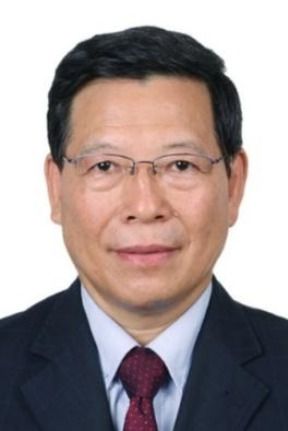
The CBMR Lecture was established by the Brazilian Committee for Rock Mechanics (CBMR/ABMS) to recognize internationally renowned professionals with outstanding contributions to Rock Mechanics and Rock Engineering. After a technical evaluation conducted by a selection committee composed of leading Brazilian experts, Prof. Manchao He was unanimously selected as the inaugural CBMR Lecturer due to his exceptional scientific leadership, technological innovation, and global impact in the field.
Prof. He is a member of the Chinese Academy of Sciences and Director of the State Key Laboratory for Tunnel Engineering at the China University of Mining and Technology (Beijing). His contributions include the development of advanced monitoring systems for landslide prediction, innovative negative Poisson's ratio (NPR) support materials for rock masses, and the pillarless mining method (110/N00), which significantly advanced safe and efficient mining practices. He has led more than 20 major national research projects, published over 300 indexed scientific papers, and holds numerous patents demonstrating strong innovation and technology transfer capabilities.
The selection committee highlighted that Prof. He's career combines academic excellence, practical engineering impact, international leadership, and major contributions to the advancement of Rock Mechanics, making him fully aligned with the objectives and prestige of the CBMR Lecture.
Prof. Manchao He
CBMR Lecture: Rock Mechanics Challenges in the Himalayas
Prof. Manchao He is an Academician of the Chinese Academy of Sciences and Director of the State Key Laboratory for Tunnel Engineering, China University of Mining and Technology, Beijing. He specializes in rock mechanics and engineering, with pioneering contributions to landslide prediction, large-deformation disaster control, and mining innovation.
He developed the Newton force monitoring system for landslide early warning and invented NPR (Negative Poisson's Ratio) materials for rock support. He also proposed the non-pillar mining method (110/N00 method), leading a third revolution in mining technology. Prof. He has led over 20 major national research projects, authored more than 300 SCI papers (h-index 54), and holds 198 patents. He serves as President of CSRME, chairs the ISRM Commission on Rockbursts, and is Vice President of ICGdR.
Watch the invitation video:
Confirmed Speakers
LARMS 2026 brings together internationally recognized experts in Rock Mechanics, Geotechnical Engineering, Mining, and Underground Construction. The conference program features leading researchers and industry professionals who have made significant contributions to engineering practice, scientific development, and innovation worldwide.
Luis Lamas
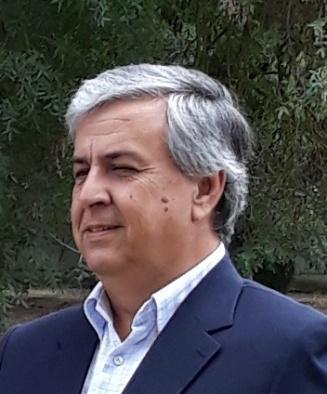
Lecture: The Second Generation of the Geotechnical Eurocode – Main Aspects and Inclusion of Rock Engineering
Luis Lamas is Principal Researcher and Head of the Modelling and Rock Mechanics Unit at the Portuguese National Laboratory of Civil Engineering (LNEC). He graduated in Civil Engineering from the University of Lisbon and obtained both his MSc and PhD in Engineering Rock Mechanics from Imperial College London. Since 2003, he has served as Secretary General of the International Society for Rock Mechanics and Rock Engineering (ISRM). He currently coordinates the rock mechanics expert group responsible for revising Eurocode 7 – Geotechnical Design, playing a key role in the integration of Rock Engineering into the next generation of European standards.
Watch the invitation video:
Esteban Hormazabal
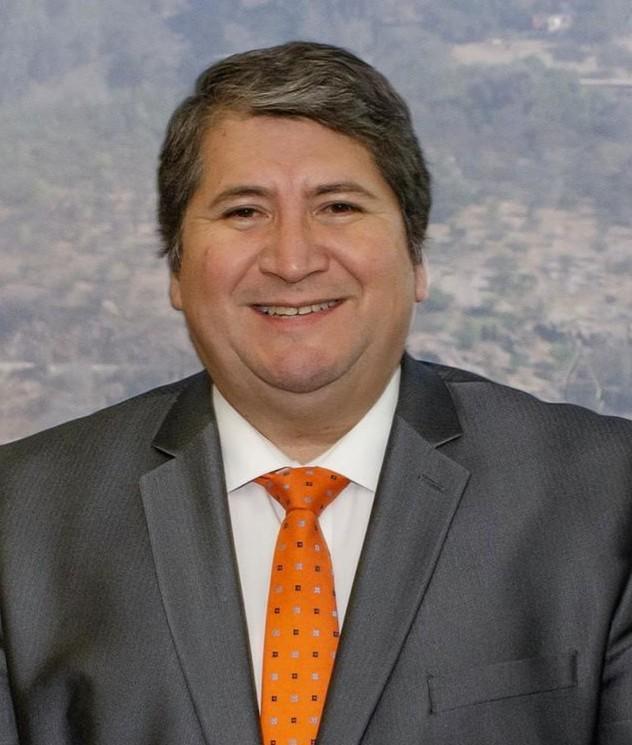
Lecture: Best Practices for Rock Mass Characterization and Modelling
Esteban Hormazabal is a Mining Engineer with an MSc in Geophysics specialized in applied hydrogeology. He has more than 30 years of experience in geotechnical engineering, rock mechanics, and geotechnical instrumentation, contributing to major mining projects across Latin America, North America, Asia, Africa, and Europe. He has extensive expertise in open pit and underground mining projects and has authored more than 40 technical publications. Esteban is a Fellow of the AusIMM and currently serves as Vice President for Latin America of the International Society for Rock Mechanics and Rock Engineering (ISRM).
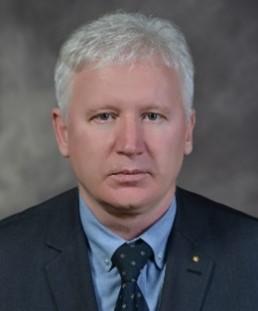
Prof. Milorad Jovanovski
Lecture: Stability and Sustainability: Lessons Learned from the Construction of High Cuts in Weak Rock Masses
Prof. Milorad Jovanovski is a Professor of Rock Mechanics and Engineering Geology at Ss. Cyril and Methodius University in Skopje. His research focuses on engineering geology, rock slope engineering, rock mass characterization, landslides, tunnelling, dams, environmental geotechnics, and geotechnical risk assessment. He has authored or co-authored approximately 210 scientific papers and several technical books. He previously served as President of the Macedonian Association for Geotechnics and currently serves as Vice-President for Europe of the ISRM for the 2023–2027 term.
Watch the invitation video:
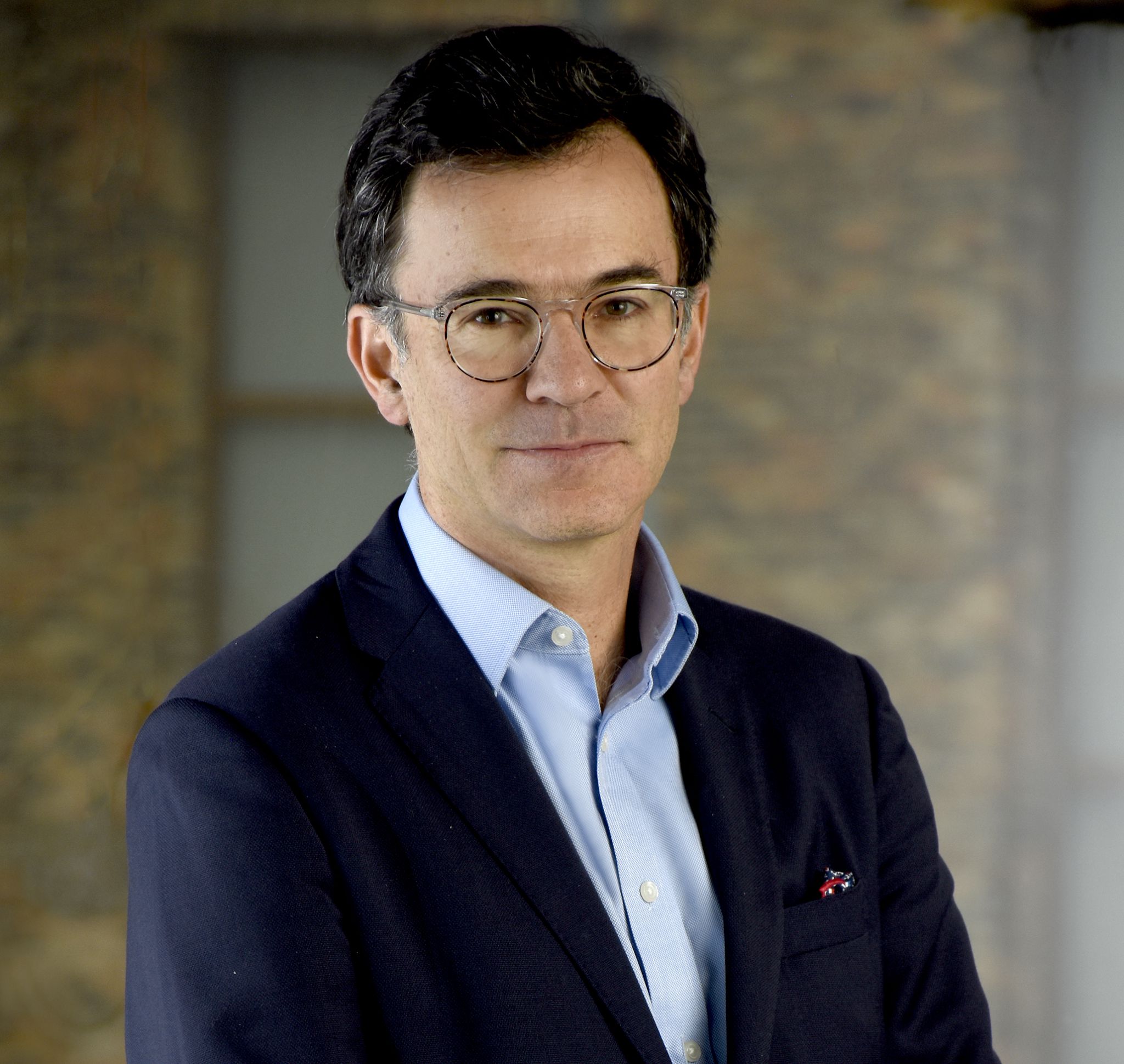
Dr. Andres Marulanda
Lecture: Lessons Learned in the Design and Construction of Hydraulic Pressure Tunnels in the Andes Mountain Range in the Last 50 Years
Dr. Andres Marulanda is Managing Director of INGETEC and an internationally recognized expert in tunnels, dams, and underground infrastructure. His professional career includes the design and supervision of more than 300 km of hydraulic and transportation tunnels across over 20 projects worldwide. He has held leadership positions within the International Tunnelling Association (ITA) and contributed to major international contractual and risk management frameworks, including the FIDIC–ITA Emerald Book. He also actively collaborates with ICOLD and has extensive academic and international consulting experience in underground construction and dam engineering.

Jorge López-Molina
Lecture: AI-Driven Rock Mass Characterization: From "Ugly Data" to Robust Geomechanical Models
With over 20 years of applied experience in geomechanics across civil, energy, and mining infrastructure, Jorge López-Molina has contributed to more than 30 high-impact projects in rock mass characterization, underground and open-pit excavation design, geological-geotechnical hazard management, and grouting treatment design. His work increasingly integrates artificial intelligence and machine learning with traditional rock engineering methods.
A member of the ISRM Rock Grouting Committee, he currently serves as Head of the Rock Mechanics and Grouting Department at CFE (Comisión Federal de Electricidad) and as Postgraduate Professor of Rock Mechanics at the National Autonomous University of Mexico (UNAM). At LARMS 2026, Jorge will present an AI framework — including supervised learning for property estimation and spatial modeling — that fuses hard and soft data, benchmarking five multimodal LLMs against 32 engineers in zero-shot GSI estimation from outcrop images, demonstrating that AI amplifies, rather than replaces, engineering judgment through the concept of the Augmented Engineer.
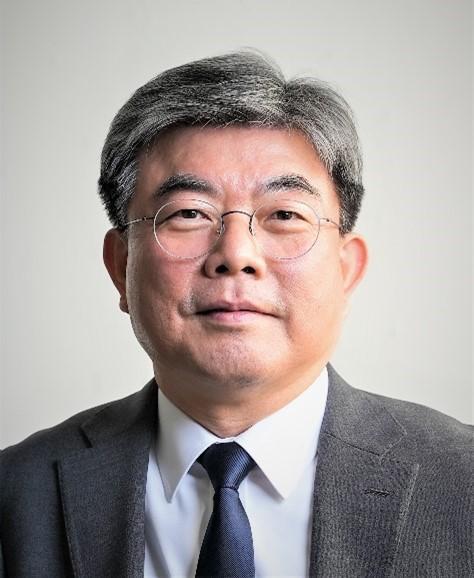
Seokwon Jeon
ISRM Lecture: The Role of ISRM in the Global Rock Mechanics Community
Seokwon Jeon is a Professor at Seoul National University, Republic of Korea. He received his BS and MS degrees in Mineral and Petroleum Engineering from the same institution, an ME degree in Civil Engineering from the University of California, and his PhD in Mining and Geological Engineering from the University of Arizona. Since 1997, he has worked in the Department of Energy Resources Engineering at Seoul National University, where he is in charge of the Rock Mechanics and Rock Engineering Laboratory.
He has authored or co-authored more than 150 peer-reviewed papers, made more than 250 technical presentations at conferences, and supervised 24 PhD students and more than 38 master's students. His research interests include experimental rock mechanics, rock fragmentation by blasting and mechanical cutting, rock fracture mechanics, tunnelling engineering, surface subsidence, and radioactive waste disposal. A member of the National Academy of Engineering of Korea, he has served as President of the Korean Society for Rock Mechanics and Rock Engineering and of the Korean Society of Mineral and Energy Resources Engineers, as well as Vice-President of the Korean Tunnelling and Underground Space Association. Within the ISRM, he is a member of the Commission on Testing Methods and the Commission on Design Methodology, and served as ISRM Vice-President for Asia from 2015 to 2019. He also participates as a panelist in the Special Session on Rock Mechanics Education, on August 26, from 15:30 to 16:50.
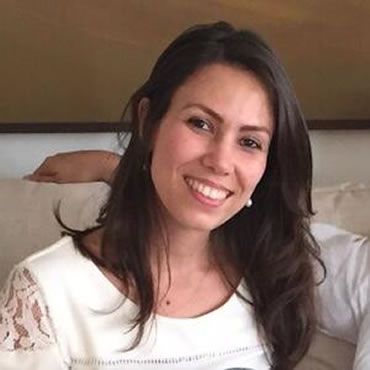
Vivian Marchesi
Lecture: A Rock Engineering Perspective for CCS in Brazil
Vivian Marchesi is Geoscience Commercial and Sales Manager for Brazil at Baker Hughes, with more than 15 years of experience in the energy industry. She has led technical and commercial initiatives across Latin America and previously worked on R&D projects in Oil and Gas, specializing in geomechanical modeling and wellbore stability. Since 2023, she has been actively involved in CCS projects, workshops, and discussions in Brazil. She holds a PhD in Civil Engineering / Petroleum Geomechanics from PUC-Rio and served as President of CBMR/ABMS during the 2021–2022 term. Her lecture addresses the strategic role of Rock Mechanics in Carbon Capture and Storage (CCS) projects in Brazil, emphasizing geomechanical modelling, wellbore stability, and long-term storage integrity.
Zhang
Guangqing Zhang
Lecture: Hydraulic-Fracture Swarms in Reservoirs: Mechanisms from Laboratory Experiments to Field Applications
Guangqing Zhang received his BS and MS degrees in Mechanical Engineering from the China University of Petroleum (East China) and his PhD in Petroleum Engineering from the China University of Petroleum – Beijing. After two years of postdoctoral research at Peking University, he joined the China University of Petroleum – Beijing in 2004, focusing his research on geomechanics and hydraulic fracturing, with emphasis on rock plasticity, rock fracture mechanics, multi-scale fractures, hydraulic fracture propagation, supercritical CO₂ fracturing, and geological CO₂ storage in unconventional resources.
He revealed the discrete fracture process zone surrounding the fracture tip, which has been shown to be responsible for the fracture swarms — groups of parallel fractures — widely observed in HFTS projects in China and other countries. His lecture explores the mechanisms governing hydraulic-fracture swarms, integrating laboratory observations, fracture mechanics, and field applications in unconventional reservoirs.
Roundtable Participants
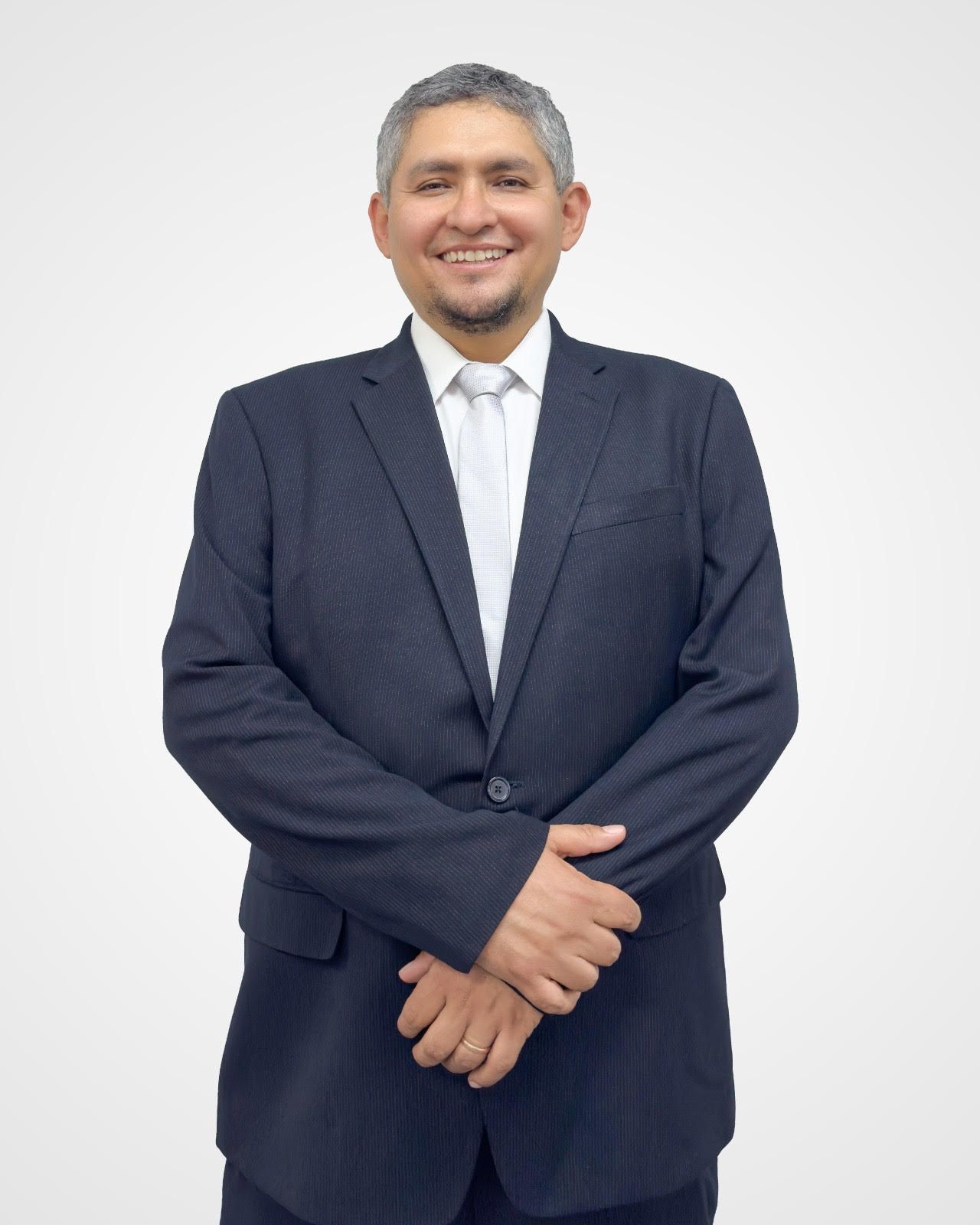
Luis Tejada Cervantes
Roundtable: Innovations and Applications of Rock Mechanics in Mining
Luis Tejada Cervantes holds a PhD from the University of Brasília (UnB) and a degree in Geotechnical Engineering from the National University of San Agustín (UNSA), Peru. He specializes in soil mechanics, rock mechanics, safe tailings management, and hydrogeology. With 25 years of professional experience, he has worked at renowned consulting firms and major construction companies, and has led geomechanics and water resources teams in the mining industry across South America, Canada, and Australia. He also holds academic and research experience at several Peruvian universities. He is currently Head of Geotechnical and Hydrogeology at Compañía Minera Antamina S.A., Peru, and Chairman of the Organizing Committee of the International Slope Stability Symposium, to be held in Lima, Peru, in October 2026. At LARMS 2026, Luis will address relevant topics in rock mechanics engineering applied to open-pit mining, as well as the strategic partnership established between LARMS and Slope Stability 2026.
Watch the invitation video:
Prof. André Assis
Roundtable: Innovations and Applications of Rock Mechanics in Mining
Prof. André Assis is a Professor at the Department of Civil and Environmental Engineering of the University of Brasília (UnB). His research and consulting work cover tunnelling, rock mechanics, rockfill dams, and geotechnical risk management. Throughout his career, he has supervised approximately 130 master's and doctoral dissertations and theses, and has published more than 300 scientific papers. With extensive engagement in international organizations, he served as President of the International Tunnelling and Underground Space Association (ITA) and of the Brazilian Association for Soil Mechanics and Geotechnical Engineering (ABMS), as well as Vice-President for South America of the International Society for Soil Mechanics and Geotechnical Engineering (ISSMGE). At LARMS 2026, André will participate in the roundtable focusing on the generation of geomechanical models through mapping and probabilistic modelling.
Watch the invitation video:
Teofilo Costa
Roundtable: Innovations and Applications of Rock Mechanics in Mining
Teofilo Costa is a Geotechnical Consultant at Vale Base Metals, with 28 years of experience at the company. His professional career includes extensive work in open-pit mines in Brazil and abroad, with a strong focus on rock mechanics applied to mining operations. At LARMS 2026, Teo will share insights on the latest developments in rock mechanics applied to mining — new practices, recent evaluations and studies — and the role of structural geology in open-pit operations.
Watch the invitation video:

Qi Mengxue
Roundtable: Rock Mechanics Applied to Tunnels and Infrastructures
Qi Mengxue is a Professor-level Senior Engineer and Dean of the TBM Technology Research Institute at China Railway 18th Bureau Group. He is a recipient of the State Council Special Government Allowance, honored as an "Engineering Master with Outstanding Contributions," and recognized as an Expert of China Railway Construction Corporation (CRCC). He also serves on the editorial board and as a peer reviewer for specialized journals such as Tunnel Construction.
With nearly 30 years of dedication to TBM operations, he has led his team in constructing over 600 kilometers of tunnels and provided expert technical consultation for numerous major engineering projects. He pioneered the development and dissemination of a philosophy of sustained, proportionate, and speedy TBM construction, and spearheaded the research and application of the world's first TBM equipment and construction technology for large-gradient spiral tunnels. To date, he has been granted 18 Chinese invention patents and 73 utility model patents in the field of TBM, published over 40 academic papers, and authored four monographs. At LARMS 2026, Qi Mengxue will participate in the roundtable presenting "Advanced TBM Technologies for Urban Underground Infrastructure."

Carmen Deulofeu
Roundtable: Rock Mechanics Applied to Tunnels and Infrastructures
Carmen Deulofeu is a Civil Engineer (Roads, Canals and Ports) from the Polytechnic University of Catalonia, with a postgraduate degree in International Procurement from Ramon Llull University. She is a recipient of the Professional Merit Medal from the College of Civil Engineers of Spain and a distinction from the Spanish Association of Tunnels and Underground Works. With extensive experience in the planning, design, construction, management, and operation of large infrastructure projects under various financing arrangements, with a particular focus on underground railway infrastructure such as metro systems, Carmen held several positions over 20 years at Barcelona Metro, including Director of Infrastructure and Works and Director of Studies and Technological Innovation.
At the infrastructure management company of the Government of Catalonia, she served as Director-General for 7 years during the institution's highest investment period in history, leading a portfolio of 4,400 contracts and a budget exceeding 10 billion euros across landmark projects. She currently serves as General Manager of Concesionaria Metro de Lima Línea 2 S.A., overseeing the concession of Line 2 and the Branch of Line 4 of the Lima and Callao Metro, with an investment commitment of 4.531 billion dollars. At LARMS 2026, Carmen will participate in the roundtable "Rock Mechanics Applied to Tunnels and Infrastructures."
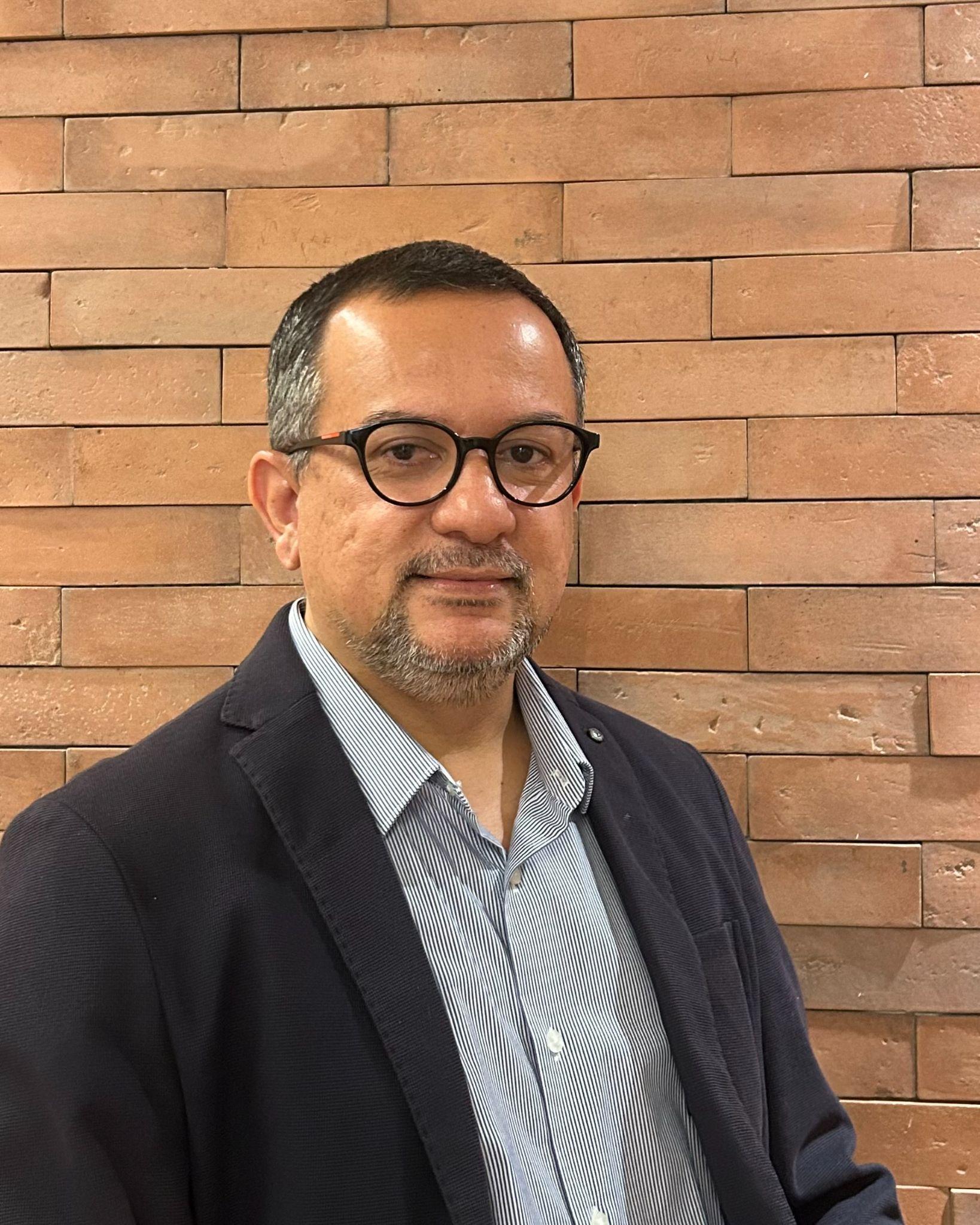
Luis Carlos de Sousa Junior
Roundtable: Rock Mechanics for the Energy Sector — Hydrogen Storage and CO₂ Sequestration
Luis Carlos de Sousa Junior is a Civil Engineer, Master in Structures, and PhD in Geotechnical Engineering from the University of Brasília (UnB), with a specialization in Petroleum Engineering from Universidade Petrobras. He is an R&D professional in Petroleum Engineering and Geomechanics at Petrobras, based in Rio de Janeiro, with over 21 years of industry experience. Throughout his career at Petrobras, he has held technical and key leadership positions, including Field Reservoir Simulation Engineer, Corporate Technical Advisor in Reservoir Geomechanics, Coordinator of the Drainage Plan for Buzios Field during the project phase, Corporate Reservoir Geomechanics Manager, R&D Manager in Reservoir Engineering, and Senior Adviser in Reservoir Geomechanics.
He is the creator and developer of GeomecBR, a proprietary parallel FEA solver widely used to tackle complex geomechanical analyses in the company's E&P portfolio, with applications particularly focused on water and supercritical CO₂ injection in pre-salt giant fields such as Buzios and Tupi. At LARMS 2026, Luis Carlos will participate in the roundtable presenting "Thermal-Fluid-Mechanics Aspects in CO₂ Injection and Storage in Deep Underground Formations", integrating global best practices with Brazilian pre-salt expertise through advanced multi-physics modeling to ensure safe and reliable CO₂ storage in deep-water reservoirs.
Watch the invitation video:
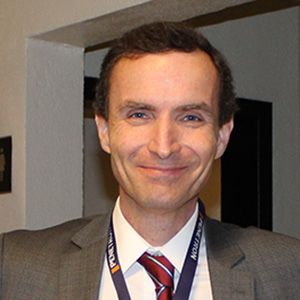
Werner Bilfinger
Roundtable: Rock Mechanics Applied to Tunnels and Infrastructures
Werner Bilfinger is a Civil Engineer from the University of São Paulo (USP), with a master's degree and PhD in Soil Engineering from the same institution. He is a partner at Vecttor Projetos and has extensive experience in Geotechnical Engineering. He served as President of the Brazilian Committee on Tunnels and Underground Spaces (CBT) from 2017 to 2018. At LARMS 2026, Werner will participate in the roundtable on Rock Mechanics Applied to Tunnels and Infrastructures, highlighting the growing relevance of rock mechanics in urban underground construction in Brazil.
Watch the invitation video:
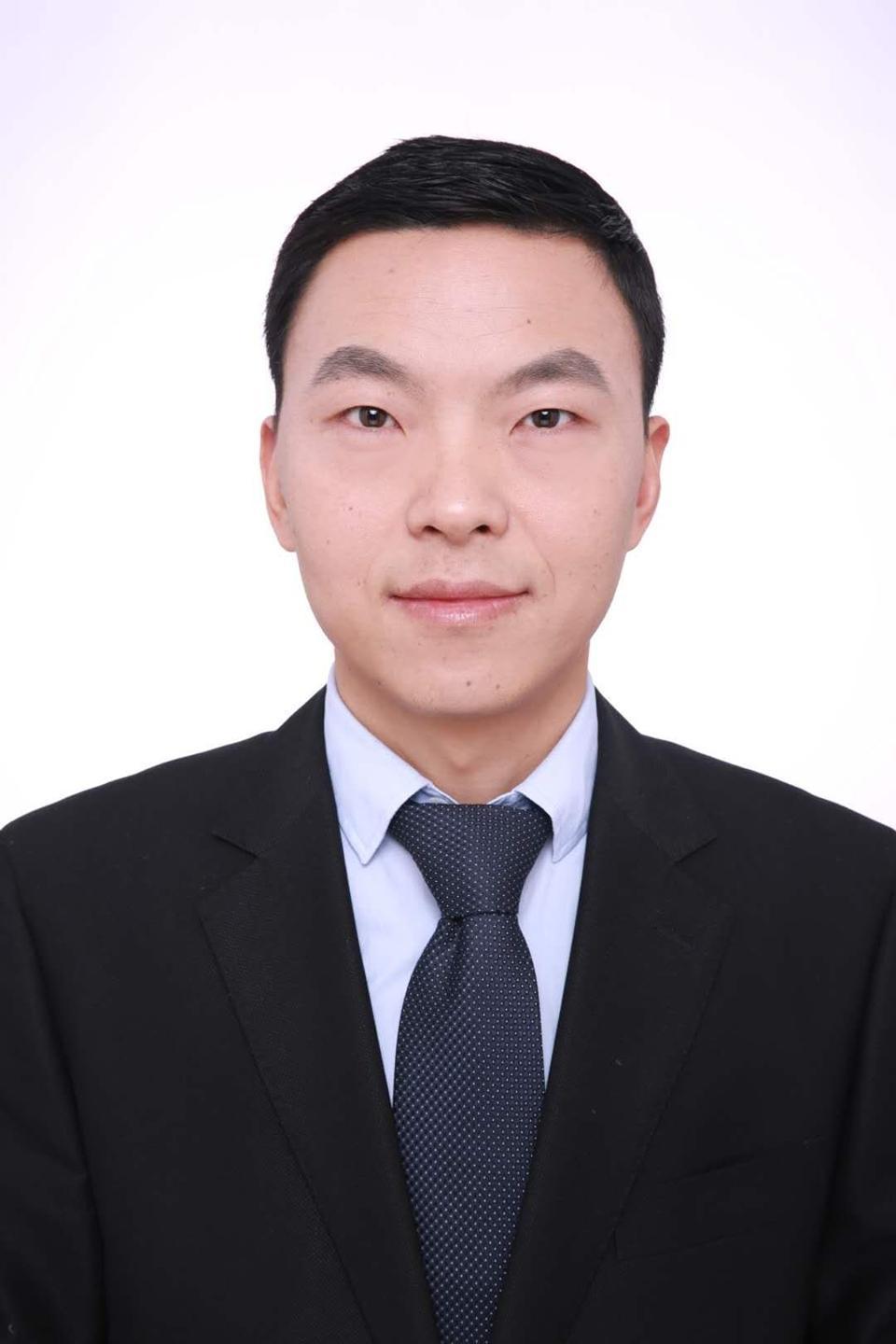
Jiangfeng Liu
Roundtable: Rock Mechanics for the Energy Sector — Hydrogen Storage and CO₂ Sequestration
Jiangfeng Liu is a Professor and PhD Supervisor at China University of Mining and Technology (CUMT) and Director of the Research Center for Deep Underground Energy and Subsurface Storage (RC-DUESS). He received his PhD from École Centrale de Lille, France, in 2013, and was selected for China's National “Ten Thousand Talents Program” for Outstanding Young Scholars in 2023 and for the Ministry of Education's Young Faculty Support Program in 2025. His research focuses on low-permeability rock mass seepage mechanics and deep subsurface storage of carbon, hydrogen, waste, and energy. He has published more than 100 scientific papers and holds 60 granted invention patents. He serves as Vice Chair of the ISRM China National Group and of the Mining Rock Mechanics Branch of the CSRME. At LARMS 2026, he will address the importance of deep geological storage of hydrogen and CO₂ as central topics for the global energy transition.
Jean Pierre Ciriades
Roundtable: Rock Mechanics Applied to Tunnels and Infrastructures — Moderator
Jean Pierre Ciriades graduated in Civil Engineering from the University of São Paulo in 2004. He worked at Maffei Engenharia for 15 years, where he served as project manager and coordinator, and is currently a managing partner at AJRS Engenharia. He has extensive experience in Civil Engineering with an emphasis on the design of tunnels, retaining structures, foundations, underground structures, port structure reinforcement, and special structures.
Among the projects he has led are the four tunnels of Serra do Cafezal (Régis Bittencourt Highway, São Paulo), the Transolímpica, Pepino, and Joá tunnels in Rio de Janeiro, the Santa Luzia Tunnel of the Rodoanel Leste (São Paulo), the Access Tunnel to the New Administrative Center of Minas Gerais, the tunnels of Line 2 of the São Paulo Metro, the Large Diameter Shaft of the Pomar Pumping Station (São Paulo), the tunnels and retaining structures of the Salvador Port Expressway, and draft deepening projects for the Ports of Santos, Salvador, Navegantes, and Paranaguá.
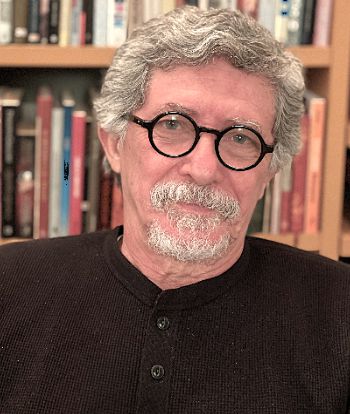
Sergio A. B. da Fontoura
Roundtable: Rock Mechanics for the Energy Sector: Hydrogen Storage and CO₂ Sequestration — Moderator
Sergio A. B. da Fontoura is a Full Professor of Civil Engineering at the Pontifical Catholic University of Rio de Janeiro (PUC-Rio), where he has been a faculty member since 1980. He graduated and obtained his MSc in Civil Engineering from PUC-Rio and received his PhD in Civil Engineering from the University of Alberta, Canada.
His research focuses on rock mechanics, petroleum geomechanics, underground excavations, wellbore stability, hydraulic fracturing, and numerical modelling. He has supervised numerous graduate students, published extensively in international journals and conferences, and led major research projects sponsored by the petroleum and mining industries. He is a former President of CBMR, Brazil's representative on the ISRM Commission on Rock Testing Methods, and President-Elect of the ISRM. He also serves as Chair of the Technical Committee of LARMS 2026.
Special Session
Teaching and Capacity Building in Rock Mechanics: Current Challenges and Future Perspectives
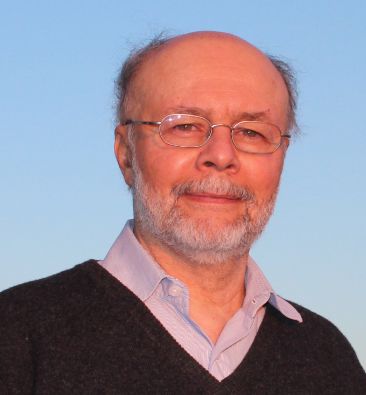
Tarcísio Barreto Celestino
Special Session: Teaching and Capacity Building in Rock Mechanics: Current Challenges and Future Perspectives
A Civil Engineer from the Polytechnic School of the University of São Paulo, with a master's degree and PhD from the University of California, Berkeley, Tarcísio Celestino is currently a Professor in the Postgraduate Program in Civil Engineering at the Polytechnic School of USP and Civil Engineering Manager at Themag Engenharia, in São Paulo. He served as Professor at the Department of Geotechnics at the São Carlos School of Engineering (USP) for 35 years, where he supervised 36 completed master's dissertations and 14 doctoral theses. He served as President of the ITA and Vice-President of the ISRM. He received the Manuel Rocha and Terzaghi Awards from ABMS in 2012 and 2020, respectively. He is the author of more than 170 technical papers and has accumulated over 1,000 citations in the last five years.
Watch the invitation video:

Kimie Suzuki Morales
Special Session: Teaching and Capacity Building in Rock Mechanics: Current Challenges and Future Perspectives
Kimie Suzuki Morales is an Assistant Professor in the Department of Mining Engineering and a Researcher at the Advanced Mining Technology Center (AMTC), both at the University of Chile. She holds a PhD in Mining Engineering from the University of New South Wales, Australia. Her research focuses on rock mass modeling and the application of emerging technologies for rock mass characterization. Since 2023, she has served as President of the Chilean Society for Rock Mechanics. At LARMS 2026, Kimie will participate in the Special Session "Teaching and Capacity Building in Rock Mechanics: Current Challenges and Future Perspectives."
Watch the invitation video:
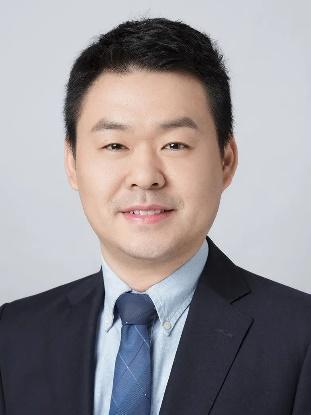
Fengshou Zhang
Special Session: Rock Mechanics Education: Challenges and Opportunities — Panelist
Fengshou Zhang is a Distinguished Professor in the Department of Geotechnical Engineering, College of Civil Engineering, Tongji University. He received his PhD in geosystems engineering from the Georgia Institute of Technology in 2012, and holds an MS in tunneling and underground engineering and a BS in civil engineering from Tongji University. From 2012 to 2016, he worked as a full-time geomechanics engineer at the Houston office of Itasca Consulting Group, providing consulting services in hydraulic fracturing modeling and coupled processes in fractured rock masses for major oil and gas operators, with applications across the main North American unconventional plays — including the Marcellus shale in Pennsylvania, the Bakken in North Dakota, the Permian and Eagle Ford in Texas, and the Horn River in Canada.
He returned to Tongji University as a Professor of Rock Mechanics in 2016 and was promoted to Distinguished Professor in 2021. His current research focuses on thermo-hydro-mechanical-chemical (THMC) coupling in the subsurface, with applications in shale gas recovery, geothermal exploitation, CO₂ sequestration, and underground energy storage. He has published more than 190 papers in journals such as PRL, GRL, and JGR-Solid Earth, and received the ARMA Early Career Award (2018), the first Qian Qihu Award (2020), the China Youth Science and Technology Award (2022), the Tencent CarbonX Award (2023), and the ARMA Rock Mechanics Research Award (2023). He was the first Executive Editor-in-Chief of the Rock Mechanics Bulletin, the official journal of the Chinese Society for Rock Mechanics and Engineering (CSRME).
Join LARMS 2026
Be part of the X Latin American Rock Mechanics Symposium and connect with leading experts in rock mechanics and engineering.
Register Now